


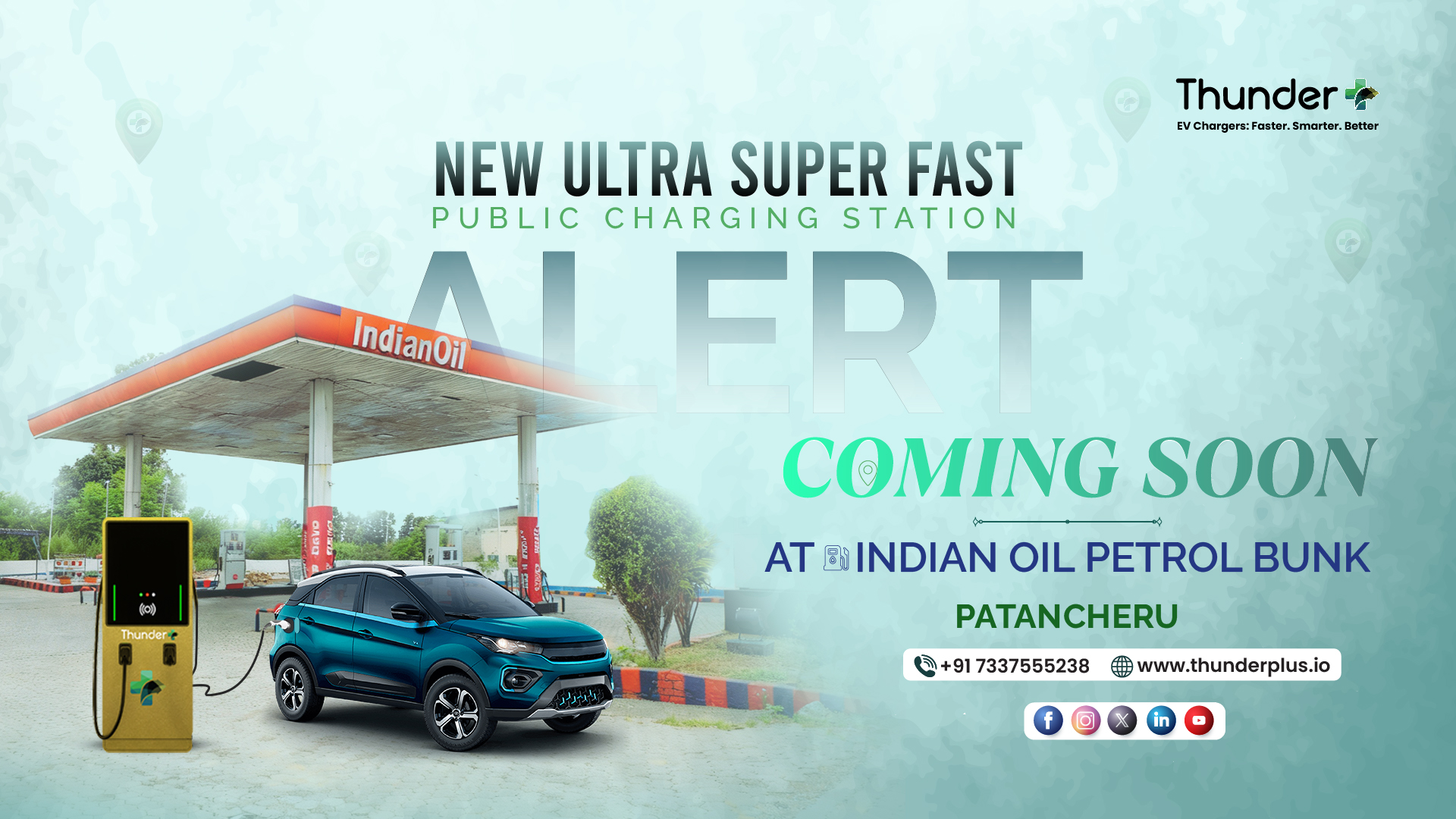
As India accelerates toward clean mobility, one question echoes across the energy landscape — can petrol bunks become EV charging stations?
The answer is a resounding yes. Across the country, traditional fuel stations are evolving into multi-energy hubs, integrating electric vehicle (EV) charging to serve the next generation of mobility.
🔌 The Evolution of Energy Stations
Petrol bunks have long been the backbone of India’s transport network, fueling millions of vehicles every day. But as the world shifts toward electric mobility, these same spaces are perfectly positioned to power the EV revolution.
Why? Because most fuel stations already have:
- A strategic location on highways and urban routes
- Space and access roads designed for vehicle inflow and outflow
- Electrical connections, lighting, and safety infrastructure
With some smart upgrades, a petrol bunk can be converted into a fully functional EV charging hub.
What It Takes to Convert a Petrol Bunk into an EV Charging Station
1. Infrastructure Readiness
Most stations only need load enhancement and electrical modifications. By adding:
- A transformer upgrade,
- High-capacity DC fast chargers (30–350 kW), and
- Proper cabling and power management systems,
you can create a reliable and scalable EV charging setup.
2. Safety and Compliance
Transitioning from liquid fuels to electricity requires adhering to:
- PESO & DISCOM approvals for operations
- Fire and electrical safety clearances
- Proper signage and user pathways for dual operations (fuel + EV)
Hybrid Model: Fuel + EV = Future-Ready Business
Many operators are choosing a hybrid model, continuing to sell petrol and diesel while adding EV chargers to attract new customers. This approach:
- Uses existing real estate efficiently
- Creates a new green revenue stream
- Enhances brand sustainability
Oil marketing companies and private players — from IOCL and BPCL to ThunderPlus — are already setting up EV chargers within existing filling stations to future-proof their network.
The Benefits of Conversion
✅ Future-Proof Investment: Be part of India’s transition to electric mobility.
✅ Additional Revenue: Offer pay-per-charge or franchise-based operations.
✅ Customer Retention: Serve both fuel and EV users.
✅ Government Incentives: Leverage policies like FAME II and state EV subsidies.
✅ Sustainability: Reduce emissions and strengthen your green footprint.
ThunderPlus: Powering the Change
At ThunderPlus, we believe the next big leap in EV infrastructure lies in transforming traditional fuel stations into connected, digital charging hubs.
With our expertise in:
- EPC (Engineering, Procurement & Construction),
- Grid-based charging, and
- Charge Point Management Systems (CPMS),
we help station owners transition smoothly — from fuel-based to future-ready energy stations.
ThunderPlus has already deployed EV charging solutions at multiple GMR filling stations, highway hubs, and urban fuel outlets, enabling a seamless and profitable transformation.
The Road Ahead
The shift from petrol to power isn’t just a change in fuel type — it’s a movement toward sustainability, efficiency, and innovation. As EV adoption grows, petrol bunks that adapt early will lead the charge, both in business and in impact.
FAQs: Converting Petrol Bunks into EV Charging Stations
1. Can a petrol bunk really be converted into an EV charging station?
Yes. Petrol bunks already have the location, space, and basic electrical setup needed for EV charging. With a power load upgrade, chargers, and proper permissions, they can be transformed into EV charging stations easily.
2. Do I need to stop petrol and diesel operations to install EV chargers?
Not necessarily. Many stations run hybrid models, offering both fuel and EV charging services. This allows owners to retain existing customers while attracting EV users.
3. What kind of chargers can be installed at a converted petrol bunk?
Depending on available space and power load, you can install:
DC Fast Chargers (30–350 kW) for cars, fleets, and buses
AC Type 2 Chargers for two-wheelers and four-wheelers
ThunderPlus helps you select the right mix based on your site and expected traffic.
4. What permissions or approvals are needed to set up EV chargers at a fuel station?
You’ll need:
PESO NOC (if fuel operations continue)
Electrical load enhancement approval from the local DISCOM
Municipal and fire safety clearances
ThunderPlus manages end-to-end EPC and compliance support for these requirements.
5. How much investment is required to convert a petrol bunk into an EV charging hub?
Costs depend on charger type and capacity. A basic hybrid setup with 2–3 fast chargers may range between ₹15–₹40 lakhs, including infrastructure upgrades and software integration.
6. Are there government incentives available for petrol bunk conversions?
Yes. Under FAME II and various state EV policies, incentives and subsidies are available for setting up public charging stations. ThunderPlus can assist in identifying applicable schemes and subsidies for your state.
7. How long does the conversion process take?
Typically, it takes 45–90 days to complete the full transition — including approvals, electrical work, charger installation, and CPMS integration.
8. Can EV charging be integrated with existing payment and monitoring systems?
Yes. Using a Charge Point Management System (CPMS) like ThunderPlus CPMS, you can manage payments, sessions, uptime, and usage analytics — all from a single dashboard.
9. What are the benefits of converting my petrol bunk into an EV charging station?
Future-proof your business
Generate additional revenue
Improve brand sustainability
Attract both fuel and EV customers
Support India’s clean mobility mission
10. How can ThunderPlus help with petrol bunk conversions?
ThunderPlus offers end-to-end solutions — from site assessment, EPC execution, and load management to CPMS integration and branding. Our team has already deployed EV chargers at GMR filling stations and other major highway locations.