


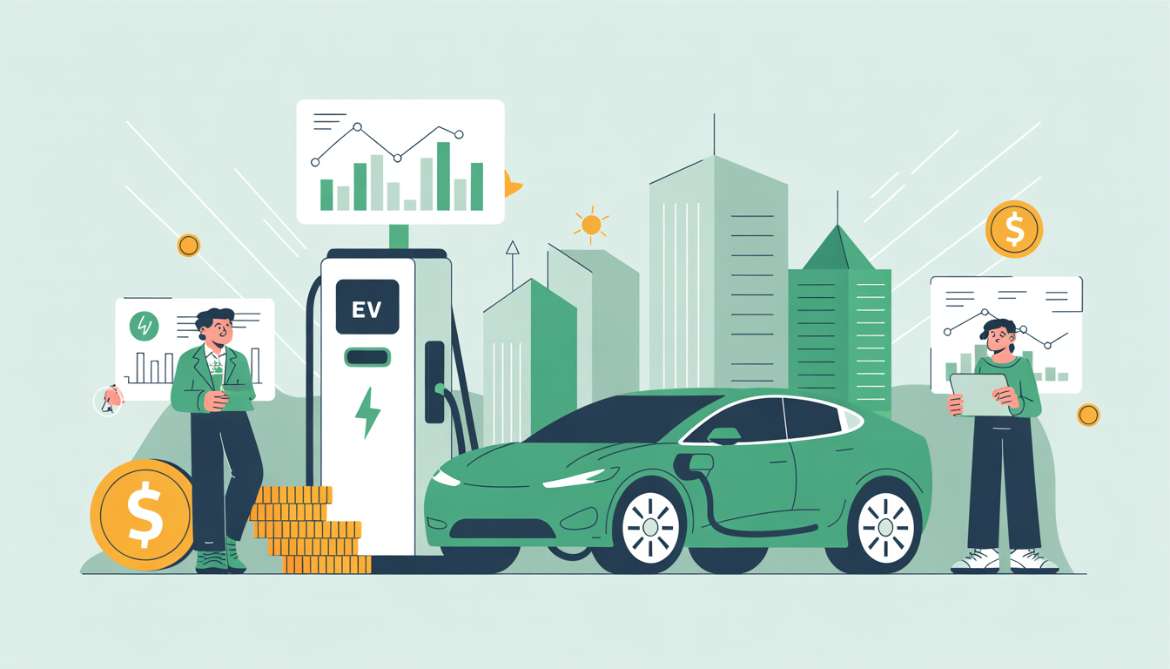
India’s mobility landscape is changing quickly. Electric vehicle (EV) sales rose 27% in 2024, exceeding two million units. This increase has created a strong demand for reliable charging stations. However, the country has only about 12,000 public chargers. This gap offers a unique opportunity for those interested in building, franchising, or investing in EV charging stations in India. This guide covers the current market, government incentives, setup essentials, and future technologies to help you take advantage of this opportunity.
Current State of EV Charging Infrastructure in India
A Booming EV Market, A Charging Shortfall
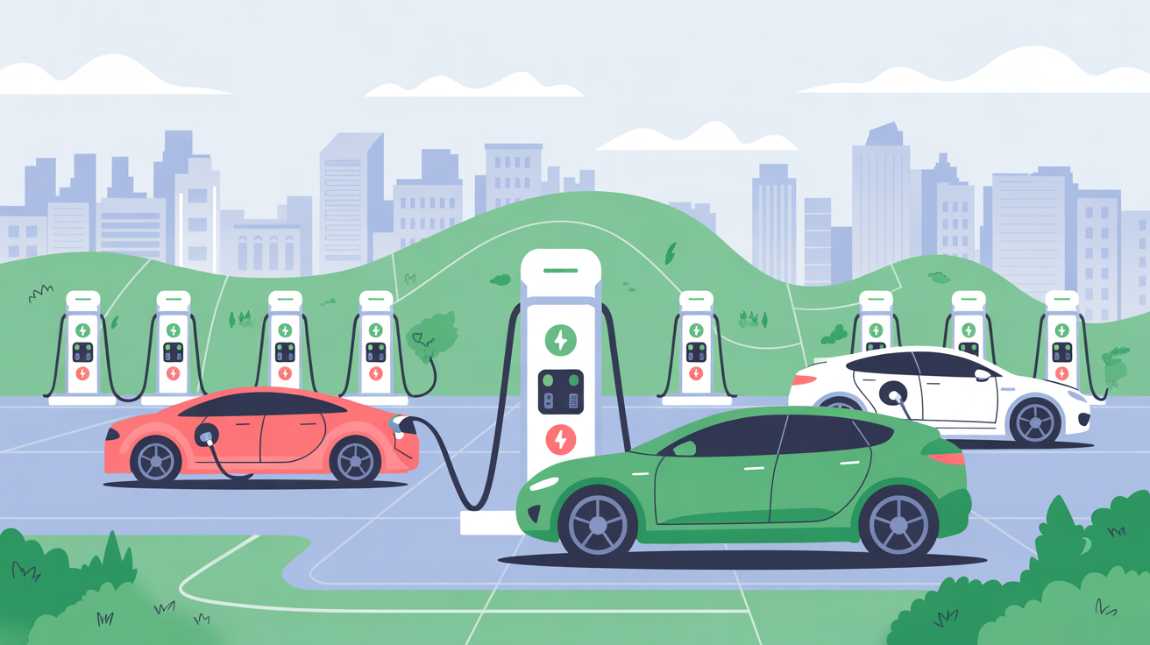
EV adoption has moved from early enthusiasm to mainstream acceptance. Two-wheelers, three-wheelers, cars, and commercial fleets are all going electric, pushing sales to new heights. Yet, the national charging network has only about 12,000 public charging points across 849 cities. Maharashtra has 2,681 chargers, while some northeastern states have very few. In urban areas, long queues at fast chargers are common, and range anxiety still affects potential buyers on highways.
Why the Gap Spells Opportunity
Each new electric car typically needs several charging locations: home, workplace, destination, and en-route. Analysts estimate that India requires at least ten times its current public charging capacity to meet its 2030 electrification target. High-density metropolitan areas, tier-2 cities, and busy highways remain underserved. For entrepreneurs, this imbalance between demand and supply means quick payback periods and strong long-term utilization, especially in strategic, high-traffic locations.
Mistakes to Sidestep
Some ambitious rollouts fail by underestimating power needs, ignoring local regulations, or placing chargers in low-traffic areas. Successful operators focus on data: traffic counts, EV registration growth, grid capacity, and nearby amenities that keep drivers occupied while charging.
Government Initiatives and Incentives
30% Electric by 2030—Policy That Backs Profit
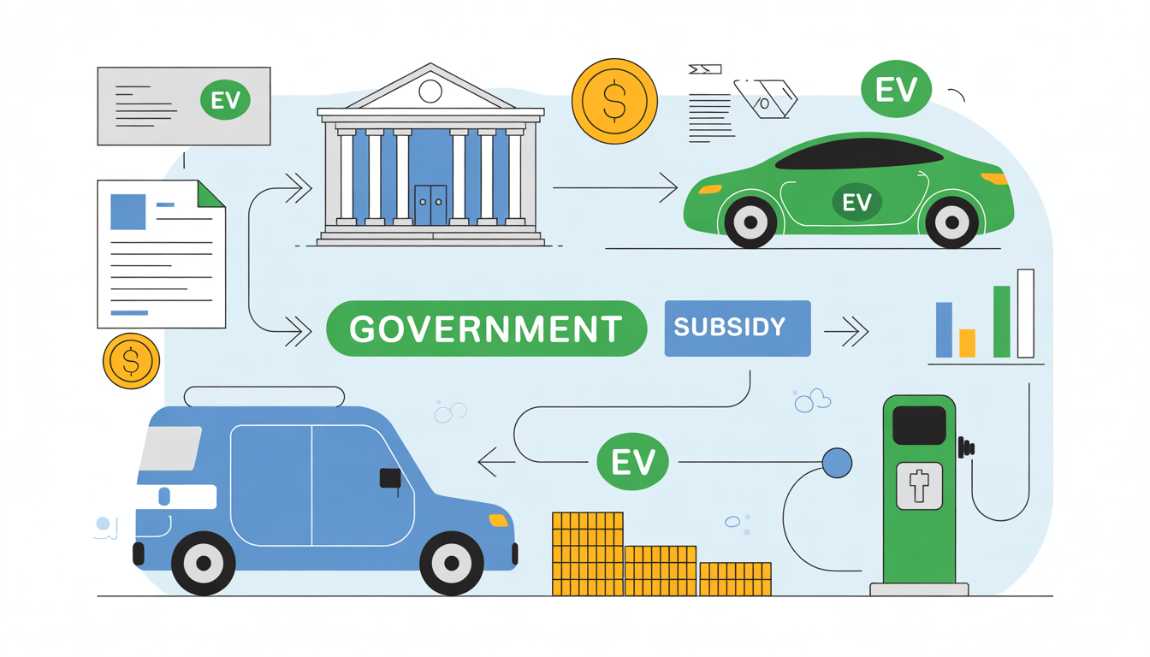
The Indian government aims for 30% of all vehicles on the road to be electric by 2030. To achieve this goal, various incentives lower capital and operating costs for new EV charging stations in India.
PM E-Drive—Financial Support for 72,000 Chargers
The PM E-Drive scheme commits ₹2,000 crore to install around 72,000 public chargers along 50 national highway corridors and in urban hotspots like airports and fuel outlets. Subsidies cover part of the hardware costs, while reduced electricity tariffs lower operational expenses. Bharat Heavy Electricals Limited (BHEL) plans to develop a nationwide “super app” for EV users to locate, book, and pay for charging.
Tax Breaks and Reduced Tariffs
State and central policies offer GST reductions on charging equipment, income tax benefits on capital investment, and lower power tariffs during off-peak hours in many regions. You can also request priority connectivity from distribution companies, speeding up the process from permit to operation.
Avoiding Policy Pitfalls
Subsidies may disappear if you miss documentation deadlines or deviate from installation norms. Stay updated on guidelines, ensure your project meets eligibility criteria, and secure written approvals before significant spending.
Setting Up an EV Charging Station
Pick the Right Location
Foot traffic is crucial. Target malls, office parks, hotels, hospitals, universities, toll plazas, and highway food courts—anywhere vehicles stay for 30 minutes or more. A site visible from main roads with easy access attracts drivers and reassures investors.
Verify Power Availability
Fast chargers (50–60 kW) require dedicated 63 A connections at 400 V three-phase, while ultra-fast units need even higher loads. Contact the local distribution company early for sanctioned load and transformer upgrades. Cutting corners here can lead to tripped breakers and unhappy customers.
Secure Regulatory Clearances
Municipal bodies require trade licenses, fire-safety approvals, and often environmental consent. Follow Indian Electricity Rules and Central Electricity Authority (CEA) guidelines for earthing, cable management, and metering. Non-compliance can halt operations before they start.
Franchise for Speed and Support
If you prefer a simpler approach, consider joining an established brand’s franchise model. You provide space and possibly capital; the franchisor supplies chargers, software, advertising, and remote monitoring. This route reduces technology risk and helps you enter the market faster. For example, ThunderPlus offers a turnkey package that includes hardware, maintenance, and a revenue-sharing agreement, allowing you to focus on customer service.
Calculate Revenue Streams
Beyond pay-per-kWh charging fees, consider parking charges, retail partnerships, digital advertising at the charger, and additional services like café kiosks. A diverse income mix protects you against tariff changes and seasonal fluctuations.
Common Errors to Avoid
Some new entrants misjudge the mix of chargers. If your site serves commuters, multiple AC wallboxes may suffice. A highway stop needs at least one DC fast charger to keep traffic moving. Match hardware with typical dwell time and vehicle types.
Leading EV Charging Networks
Thunderplus—7,000-Plus Stations and Counting
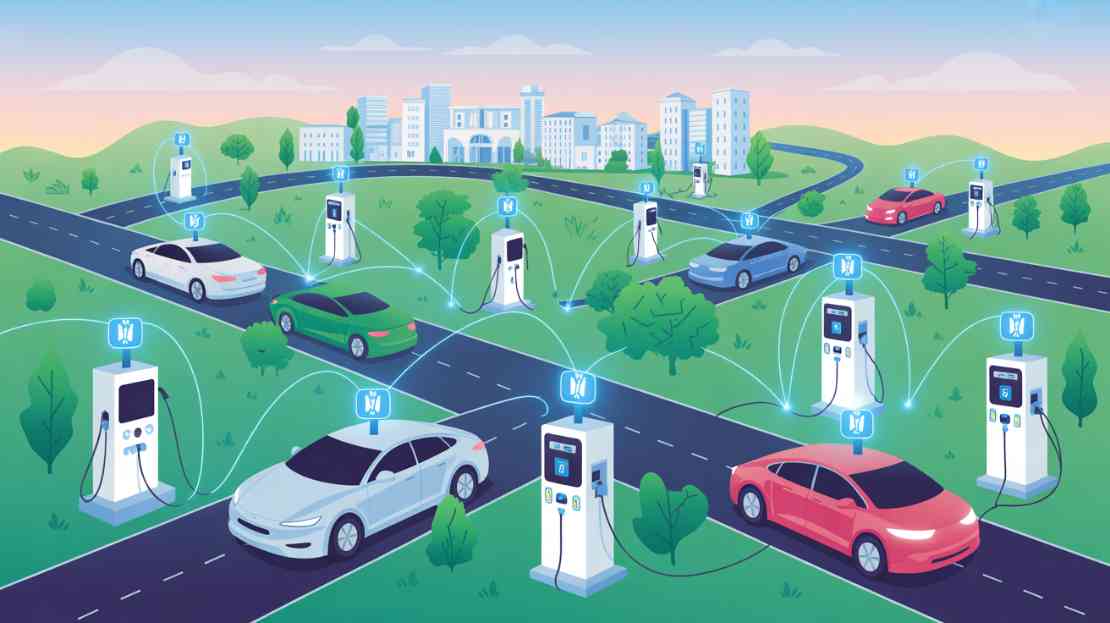
Thunderplus has installed over 7,000 EV charging stations in India across 63 cities. They offer AC Circle, Wall, and Wallbox units, as well as 60 kW DC dual-gun fast chargers. Users pay around ₹11 per kWh for AC and ₹16 per kWh for DC, book slots via the Thunderplus app, and can view real-time charger status, amenities, and compatible vehicle models.
Pan-India Network with 5,500 Stations
Another major operator, active in over 620 cities, runs more than 5,500 chargers, many of which are high-power CCS units for quick turnarounds. Their app integrates navigation, RFID tap-to-charge, and wallet payments, reducing wait times and increasing utilization.
Why Networks Crave Franchise Partners
Both established and emerging providers grow fastest through partnerships. By hosting or investing in branded EV charging stations in India, you gain access to their technology, marketing resources, and user base while securing a revenue share. For newcomers, this collaboration offers credibility from the start and lowers customer-acquisition costs.
Cost and Pricing Models
How Stations Make—and Save—Money
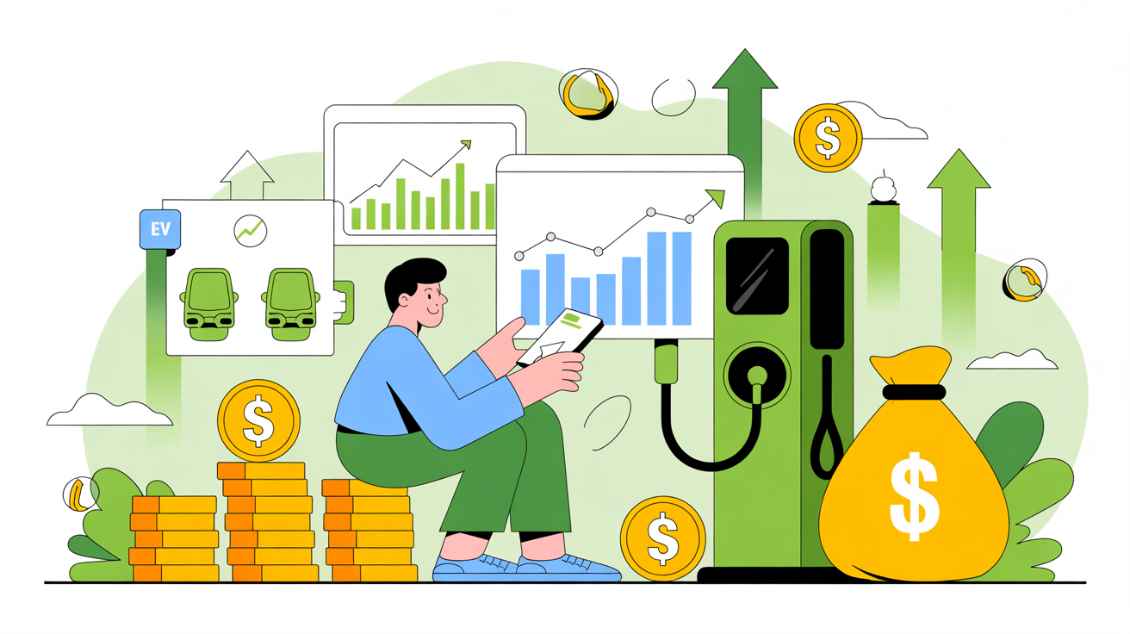
Indian drivers typically pay per kWh, though some sites charge per minute or offer subscription bundles. The market average is around ₹11/kWh for AC and ₹16/kWh for DC, but final pricing depends on state tariffs, demand charges, lease costs, and service value. Entrepreneurs should create a transparent, flexible pricing structure:
– Dynamic pricing—higher rates during peak hours, discounts during off-peak
– Membership packs—prepaid wallets with bonus credits
– Fleet deals—volume contracts for taxis or logistics operators
Home Versus Public Charging
Home charging multiplies battery capacity by local electricity costs, while public chargers incur land rent, grid upgrades, software, maintenance, and payment fees. Educating users about this difference can reduce price complaints and help maintain margins.
Keeping Costs Under Control
Use time-of-day tariffs, invest in energy-efficient hardware, and negotiate bulk electricity contracts. Proper load management software can stagger charging sessions, avoiding costly peak-demand penalties.
Future Expansion and Technological Integration
20,000 Chargers by December 2024
Operators plan to double current capacity this year, supported by PM E-Drive subsidies and increasing utilization. Highway corridors will feature dense clusters every 40–60 km, enabling smooth inter-city travel and attracting more customers to roadside businesses.
Unified Digital Ecosystem
BHEL’s proposed super app will connect all public EV charging stations in India, offering real-time availability, slot booking, billing, and loyalty rewards. Open APIs may allow private networks like Thunderplus to integrate, increasing visibility for your site.
Hardware Innovations
Modern chargers include RFID tap-and-go, corrosion-resistant casings for India’s diverse climate, and smart monitoring that predicts component failures before they occur. When selecting equipment, prioritize OCPP-compliant chargers to switch software providers without changing hardware.
Beyond Charging—Energy Hubs
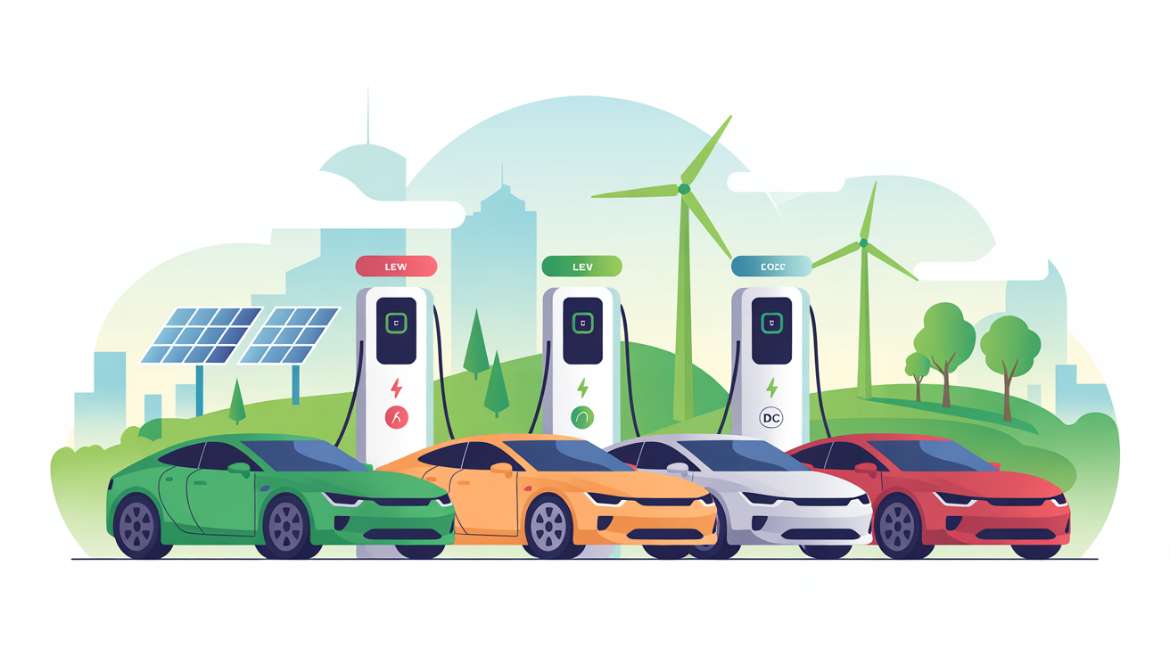
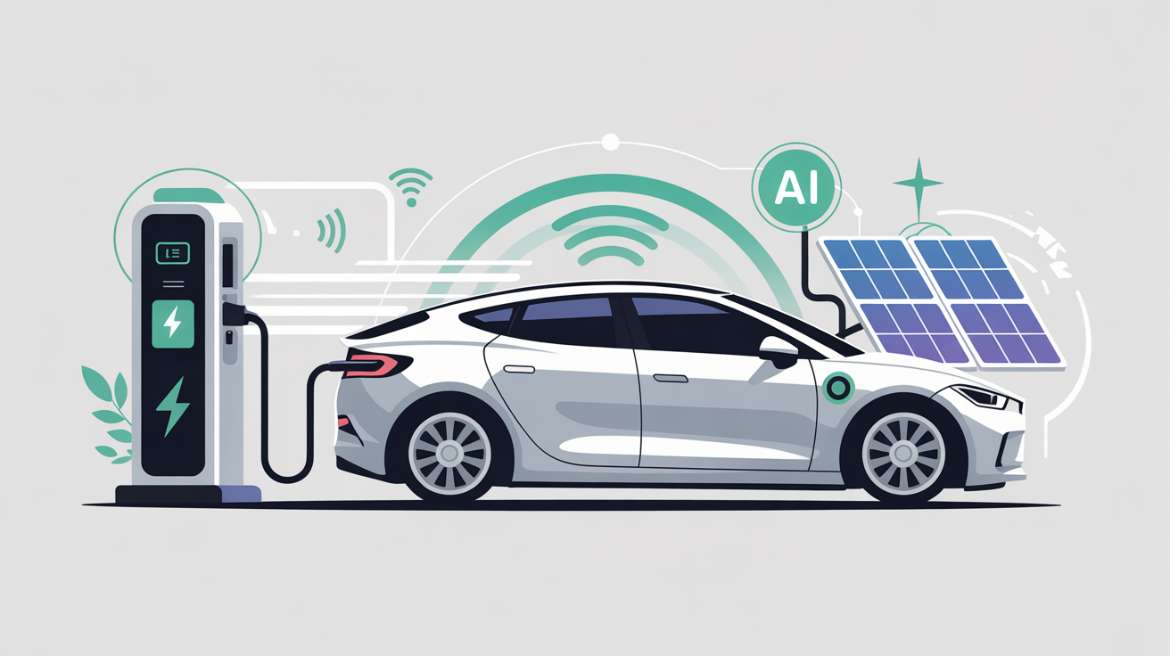
Some forward-thinking entrepreneurs combine chargers with rooftop solar, battery storage, and grid services like frequency regulation. As power markets evolve, stations could earn revenue by exporting stored energy during peak demand.
Frequently Asked Questions
Q1. How many EV charging stations are there in India?
India currently has about 12,000 public charging stations across 849 cities, which is insufficient for the growing EV fleet.
Q2. How can drivers find EV charging stations in India?
Most major networks offer smartphone apps that show locations, charger types, real-time availability, and tariffs. The upcoming BHEL super app will consolidate this information into one national platform.
Q3. What practical steps should I follow to open a profitable charging station?
Start by securing a high-traffic site with adequate grid capacity, obtain municipal and electrical clearances, choose the right mix of AC and DC chargers, and consider a franchise partnership for technical and marketing support.
Q4. Why is public charging better for long trips than home charging alone?
Home chargers are economical but slow. Public fast chargers reduce travel time and eliminate range anxiety, especially on highways where drivers cannot rely on home sockets.
Q5. My fast charger keeps tripping—what advanced troubleshooting should I perform?
Check for grid voltage fluctuations, verify earthing resistance, and ensure cooling systems are unobstructed. Smart monitoring software can alert you to potential failures before they cause downtime.
Q6. How should I set my pricing to stay competitive yet profitable?
Benchmark local tariffs, apply a fair markup for infrastructure and service, and introduce dynamic or membership pricing to attract