


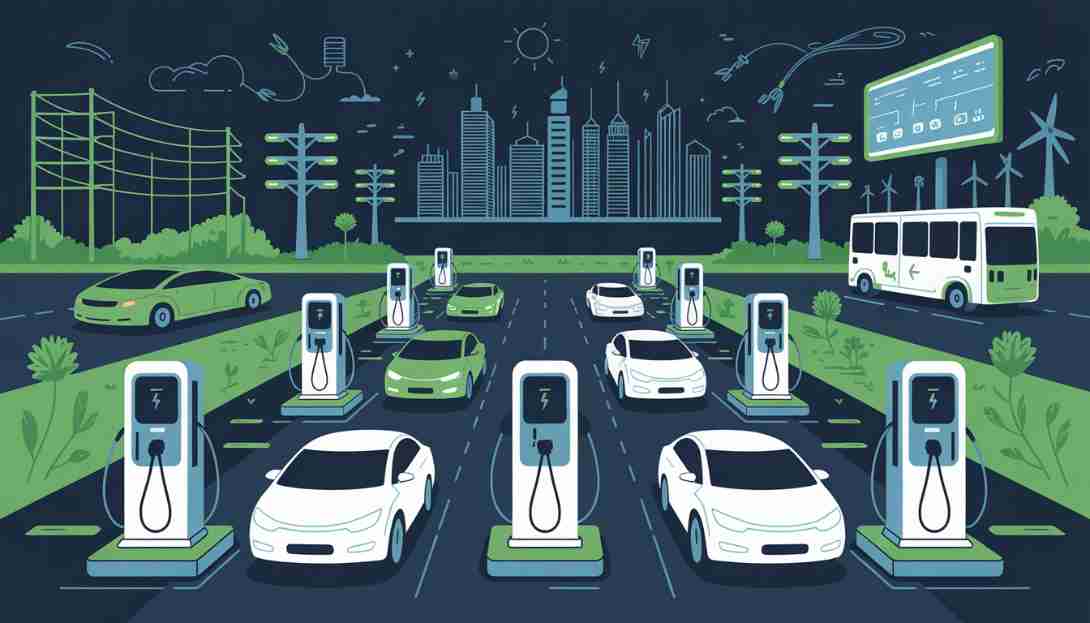
Electric mobility is growing quickly, and the DC charger has become a key piece of infrastructure. Whether you are looking for a new revenue stream, planning a charging station rollout, or want to understand how a DC charger differs from slower AC options, this guide provides the essentials.
Understanding DC Chargers
A DC charger, or DC fast charger, delivers direct current straight into an electric vehicle’s battery. It bypasses the onboard AC-to-DC converter, reducing charging times from hours to under sixty minutes. You typically find these chargers at motorway services, urban rapid-charge hubs, and commercial depots where time is crucial.
However, speed comes with a cost. The hardware is more expensive than a comparable AC wall box, and frequent high-current sessions can wear out the battery faster. Successful operators educate drivers to balance their charging habits: use the DC charger when time is tight, but prefer slower overnight AC charging when possible. Ignoring this advice may lead to unexpected battery capacity loss, which can be a concern for fleet managers managing total ownership costs.
Key takeaways:
– A DC charger feeds the battery directly, enabling charging in under an hour.
– Ideal for long trips, commercial fleets, and situations where downtime affects revenue.
– Higher purchase price and potential battery wear require careful use.
Types of DC Chargers
Not all DC chargers provide the same power. They fall into broad categories, each serving different needs.
DC Level 1: Up to 15 kW
Level 1 is the entry-level DC charger. It is faster than AC but gentle enough for daily top-ups at supermarkets, office parking lots, and small businesses. The 15 kW output suits most passenger cars and keeps installation costs low. For businesses exploring public charging, Level 1 offers a low-risk option without needing a major grid upgrade.
DC Level 3: Up to 400 kW
Level 3 is the most powerful, delivering up to 400 kW to compatible vehicles. Heavy-duty trucks, coaches, and premium EVs can regain hundreds of kilometers of range in the time it takes to grab a coffee. To operate a Level 3 DC charger, you need a high-capacity grid connection, effective cooling, and reliable communication protocols that meet global standards. Get these right, and you can provide a premium service that commands higher fees.
Compatibility and Communication
Modern DC chargers use standardized connectors and open-charge point protocols, allowing different vehicle brands to connect. Ensure compatibility to avoid stranded customers and negative reviews. Always check that your chosen DC charger supports the main plugs in your area and offers remote diagnostics for quick fault resolution.
Applications of DC Chargers
Public Rapid-Charge Networks
City authorities and private investors install DC chargers along major roads and at destination hubs like shopping centers, cinemas, and sports arenas. These chargers cater to drivers who cannot afford long waits. Faster charging increases bay utilization, allowing operators to make better use of limited space than slower options.
Commercial Fleets
For last-mile delivery companies or ride-hailing services, every minute off the road reduces profits. Installing a DC charger at the depot allows drivers to charge during lunch breaks. Over a year, these saved minutes lead to significant cost savings and better asset utilization.
Space-Limited Sites
Urban land is expensive. A single DC charger can provide multiple outputs and higher energy throughput per square meter than an AC array. This makes it valuable in areas where ground rent is high. Compact designs, flexible cable management, and efficient power modules enable rapid charging in otherwise unsuitable locations.
Features of DC Chargers
Multiple Outputs and Interfaces
A modern DC charger often has two or more connectors—typically CCS, CHAdeMO, or a Type-C/USB combo for smaller devices. Dual outputs allow for back-to-back sessions or simultaneous charging of two vehicles, increasing revenue without doubling site costs.
Advanced Thermal Management
Rapid charging generates heat. Specialized heat sinks and active liquid cooling dissipate this energy, protecting sensitive components and extending service life. When choosing suppliers, review thermal specifications; efficient cooling helps maintain uptime and can reduce noise, which is important for urban compliance.
Sub-Hour Charging
Under ideal conditions, a 100 kWh battery can reach 80% in about 30 minutes on a high-power DC charger. This speed is a strong selling point for drivers used to quick petrol stops. Highlight this in your marketing; the promise of “80% in under an hour” attracts customers.
Market Availability and Options
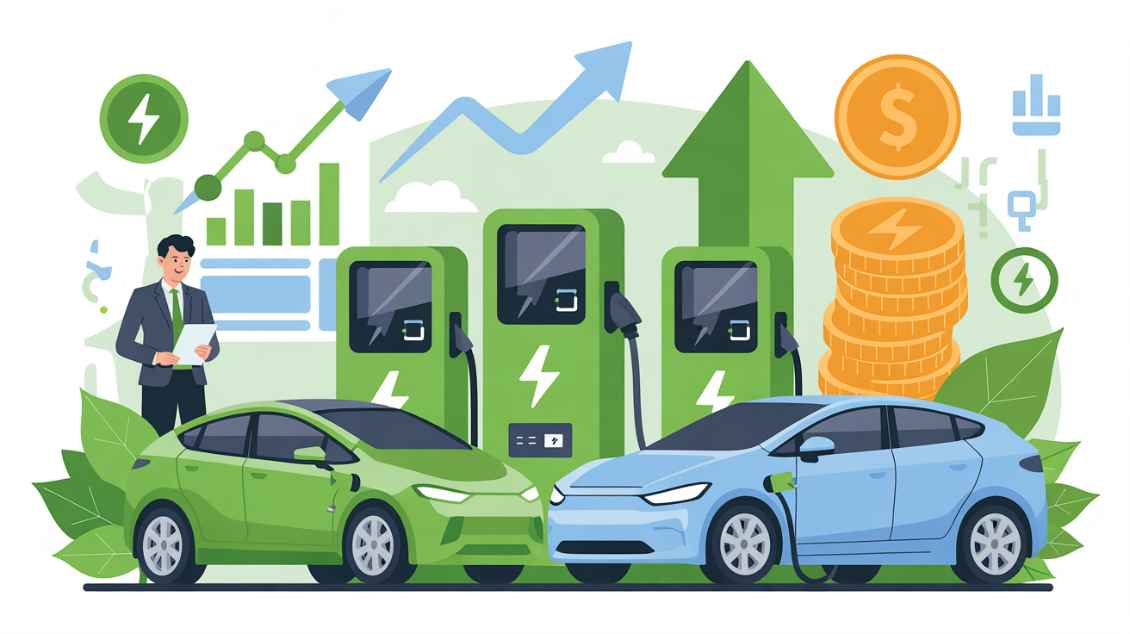
The market offers everything from compact 15 kW kiosks to modular 400 kW cabinets. Entry-level units are competitively priced, especially when purchased in bulk or during promotions. Mid-tier models often feature dual outputs, combining a DC charger port with a high-amperage USB Type-C socket for both vehicles and portable electronics.
Established system integrators like ThunderPlus provide turnkey bundles that include a DC charger, payment terminals, load balancing software, and real-time dashboards. This single-vendor approach is appealing for businesses scaling across multiple locations.
When considering options, think about:
– Power rating versus expected dwell time
– Integration with existing management software
– Warranty length and service agreements
– Upfront cost versus potential energy revenue
Savvy buyers often negotiate volume discounts, lowering the total cost. However, do not compromise on safety certifications for minor savings.
Practical Considerations
Battery Health and Usage Patterns
Frequent high-current exposure can lead to earlier battery capacity loss. Encourage customers to use a DC charger for about 20–30% of their total energy needs, reserving the rest for slower overnight AC charging. Use clear signage at your station to explain this best practice; informed drivers are more likely to return.
Site Selection and Power Provisioning
A DC charger requires a significant power load, so check grid capacity and budget for transformer upgrades if needed. Early communication with local utilities can prevent costly redesigns later.
Space is also important. Ensure there is enough room for vehicles to maneuver, queuing areas to avoid traffic jams, and well-lit walkways for safety. Measure carefully before construction.
Regulatory Compliance
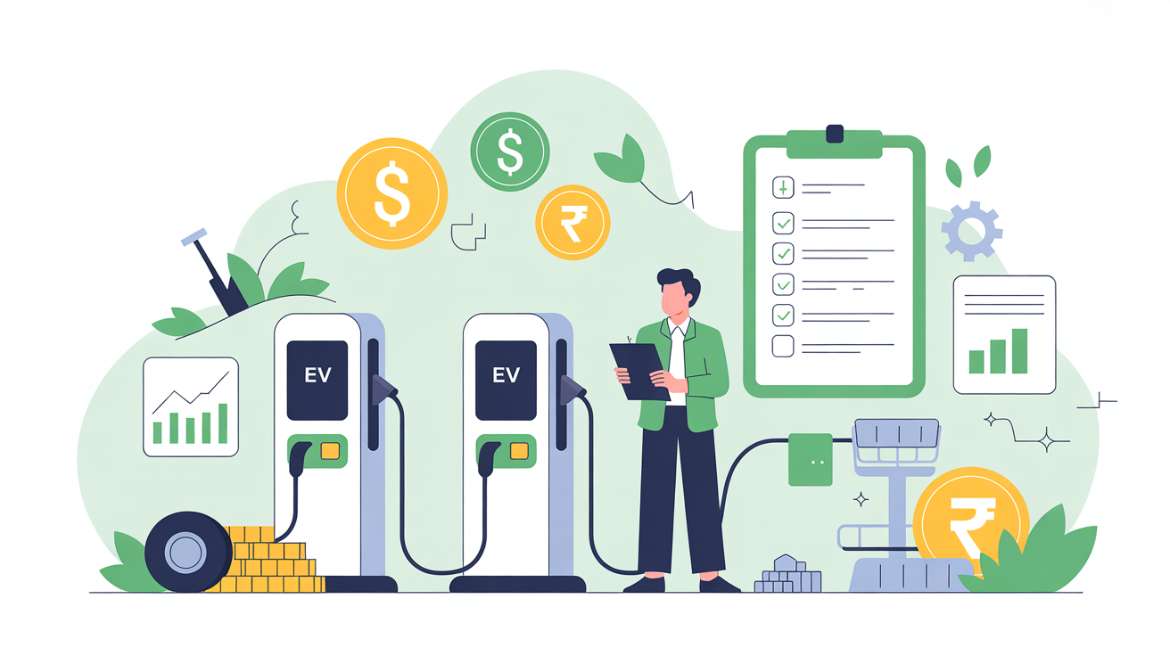
Planning permissions, metering regulations, and consumer protection laws vary. Create a checklist before starting and allow time for inspections. Non-compliance can halt operations and damage your brand’s reputation.
Future-Proofing
EV battery sizes are increasing. A 150 kW DC charger may work well for today’s hatchbacks but may feel slow for tomorrow’s 200 kWh SUVs. If possible, choose modular units that allow you to add power modules later without major construction.
Common Pitfalls
– Underestimating peak demand, leading to queues and lost revenue
– Skipping preventive maintenance, causing unexpected downtime
– Ignoring data analytics—usage data shows when to add more DC chargers or adjust pricing for better returns
Conclusion
A well-placed DC charger offers more than just electricity. It enhances customer satisfaction, opens new revenue streams, and positions your business at the forefront of sustainable mobility. Understand the technology, choose the right power level, plan your site carefully, and you will be ready to support the next wave of electric journeys.
Ready to enhance your EV charging solutions? Discover how ThunderPlus can help you build a smart, reliable charging ecosystem tailored to your needs at thunderplus.io.
Frequently Asked Questions
Q1. What is a DC charger?
A DC charger is a fast-charging device that supplies direct current straight to an electric vehicle’s battery, cutting charging time to under an hour.
Q2. How does a DC charger work?
The unit converts AC from the grid into DC internally and then delivers that DC at high current directly into the battery, allowing rapid energy transfer without relying on the vehicle’s slower onboard charger.
Q3. What are DC chargers used for?
They are used at public rapid-charge stations, fleet depots, and motorway services to minimize downtime, support long-distance travel, and serve commercial operators who cannot wait several hours for a full charge.
Q4. How do I decide whether to install Level 1 or Level 3 DC charging?
Consider your typical customer’s dwell time and vehicle types. Short stops and heavy-duty vehicles usually justify Level 3 up to 400 kW, while supermarkets or office parks with longer stays may find a 15 kW Level 1 DC charger more cost-effective.
Q5. Will frequent use of a DC charger damage my battery?
Regular rapid charging can accelerate battery wear compared to slower AC charging. Most manufacturers recommend using fast charging for about 20–30% of total charging to maintain long-term battery health.
Q6. What factors most influence the cost of a DC charger installation?
Key cost factors include the charger’s power rating, grid connection upgrades, civil works, payment hardware, and ongoing service contracts. Buying in bulk and choosing modular designs can reduce costs without sacrificing future scalability.